Save money and stay ahead of your HVAC maintenance needs – Join Our Comfort Club Today!



AC Yesterday, Heat Today: Why Your HVAC System May Struggle During a Tennessee Fall
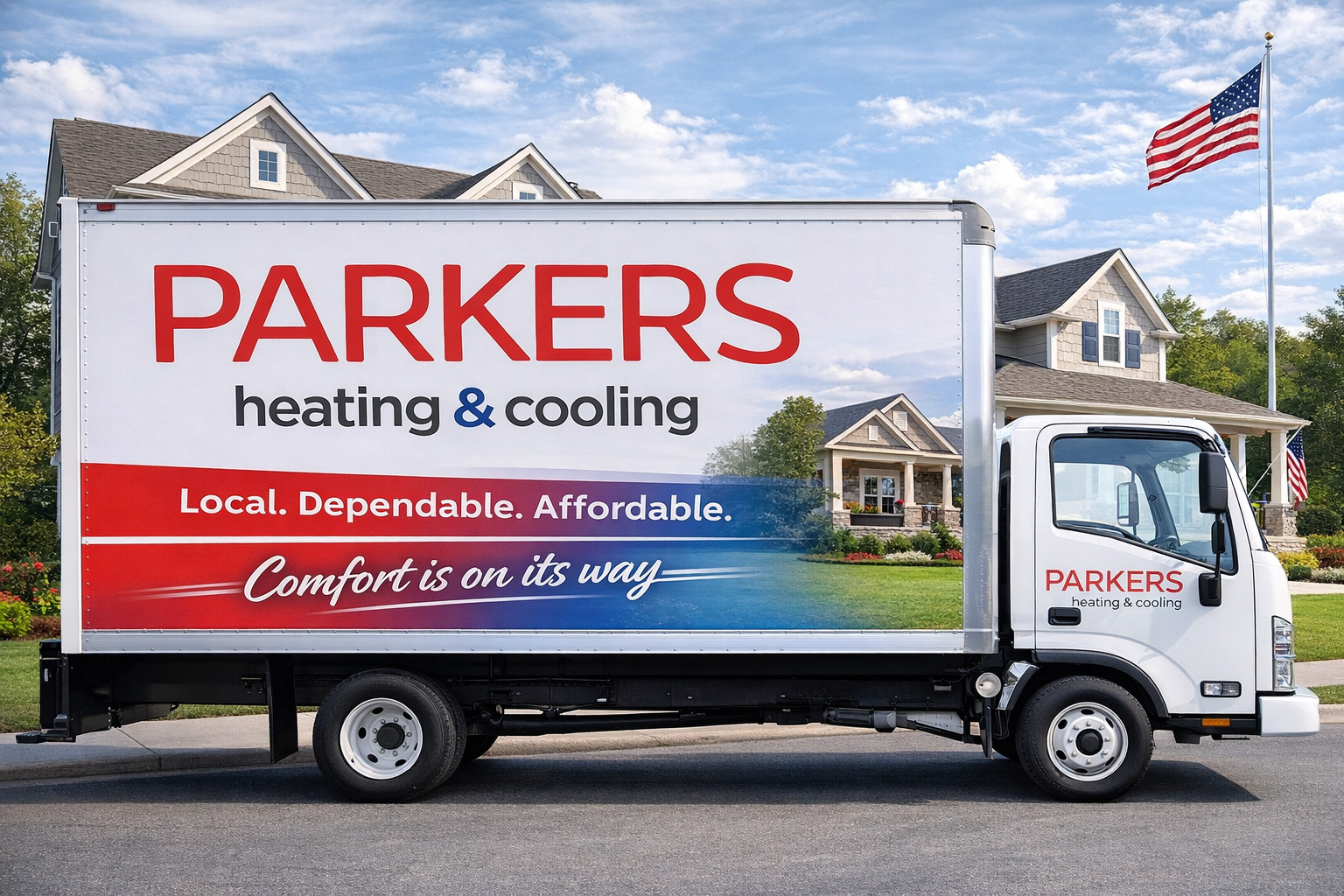

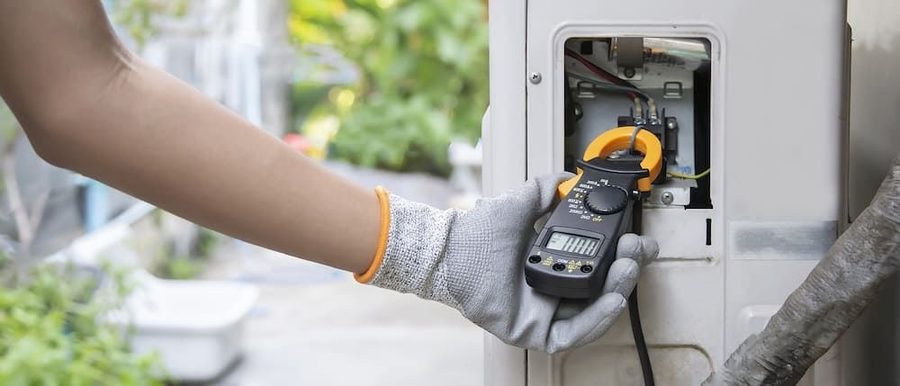
Fall weather in Tennessee can be unpredictable. One afternoon, you’re running the air conditioner to stay comfortable. By the next morning, chilly temperatures have you reaching for the heat.
These temperature swings are common throughout Middle Tennessee, where warm afternoons and cool evenings often overlap during the fall months. While modern HVAC systems are designed to handle seasonal changes, frequent transitions between heating and cooling can reveal underlying performance problems.
From thermostat malfunctions to heat pump issues, understanding what causes HVAC trouble during fall can help you maintain reliable comfort before winter arrives.
Why Tennessee’s Changing Fall Temperatures Can Reveal HVAC Problems
Your HVAC system may struggle during Tennessee’s fall because changing heating and cooling demands can expose thermostat issues, restricted airflow, heat pump malfunctions, or worn components.
Switching between heating and cooling is generally safe for properly functioning equipment. However, problems that went unnoticed during summer may become more apparent when you begin using your heating system.
Is It Bad to Switch Between AC and Heat Frequently?
Switching between heating and cooling doesn’t automatically damage your HVAC system.
However, repeatedly changing thermostat settings within short periods can cause unnecessary cycling.
Allow your equipment to complete its normal shutdown process before switching modes. If your system struggles to respond or produces unusual noises, professional troubleshooting may be necessary.
1. Your Thermostat Isn’t Responding Correctly
Your thermostat controls when your HVAC system heats or cools your home.
When temperatures fluctuate throughout the day, incorrect programming or malfunctioning sensors can make indoor comfort difficult to maintain.
Signs Your Thermostat May Be Causing Problems
Watch for:
-
Heating or cooling starting unexpectedly
-
Indoor temperatures not matching thermostat settings
-
Delayed responses when switching modes
-
Outdated programmable schedules
-
Inconsistent heating and cooling cycles
Check your thermostat settings and replace batteries if applicable.
If the system continues responding incorrectly, an HVAC technician can inspect the thermostat and its connections.
2. Your Heat Pump Has Trouble Switching Modes
Heat pumps are common heating and cooling solutions for Tennessee homes because they provide both functions using the same equipment.
Unlike a traditional furnace, a heat pump transfers heat rather than generating it through combustion.
A component called the reversing valve changes the direction of refrigerant flow, allowing the system to switch between heating and cooling.
What Happens When a Heat Pump Reversing Valve Malfunctions?
Possible symptoms include:
-
The system remains in cooling mode when heating is selected.
-
Air from the vents doesn’t match the thermostat setting.
-
Heating or cooling performance becomes inconsistent.
-
The equipment struggles to maintain indoor temperatures.
These symptoms can also result from thermostat, wiring, or control problems.
Professional heat pump troubleshooting can identify the actual cause before repairs begin.
3. Dirty Air Filters Are Restricting Airflow
After months of summer air conditioning, your HVAC filter may have accumulated substantial dust and debris.
A clogged filter restricts airflow, affecting both heating and cooling performance.
Can a Dirty Air Filter Affect Heating and Cooling?
Yes. Restricted airflow can:
-
Reduce heating and cooling effectiveness
-
Create uneven indoor temperatures
-
Increase system operating time
-
Contribute to overheating in some heating systems
-
Increase the risk of frozen evaporator coils during cooling
Check your air filter monthly and replace it according to manufacturer recommendations and household conditions.
This simple maintenance task can help your equipment operate more efficiently throughout the fall.
4. Your HVAC System Is Short Cycling
Short cycling occurs when an HVAC system repeatedly starts and stops before completing a normal operating cycle.
Although heating and cooling systems naturally cycle throughout the day, unusually frequent starts and stops can indicate a problem.
Why Does an HVAC System Keep Turning On and Off?
Potential causes include:
-
Incorrect thermostat placement or settings
-
Restricted airflow
-
Electrical or control problems
-
Improperly sized equipment
-
Refrigerant-related issues during cooling operation
Persistent short cycling can reduce comfort and place additional wear on system components.
An HVAC technician can evaluate operating cycles and determine whether repairs or adjustments are needed.
5. Your Heating System Has Been Sitting Idle All Summer
For many Tennessee homeowners, fall is the first time the heating system has operated in several months.
During this period, dust can collect on components, and existing mechanical problems may remain unnoticed.
Why Does Your Heater Struggle the First Time You Turn It On?
Possible causes include:
-
Dust accumulation
-
Ignition or burner problems
-
Faulty sensors
-
Worn electrical components
-
Neglected maintenance
A brief dusty smell during initial heating operation can occur as accumulated dust burns off.
However, persistent burning odors, visible smoke, or unusual noises should never be ignored.
If you suspect a gas leak, leave the building immediately and contact your gas utility or emergency services from a safe location. A carbon monoxide alarm also requires immediate evacuation and emergency assistance.
6. Your HVAC System Has Existing Wear From Summer
Tennessee’s hot, humid summers can place substantial demand on air conditioning equipment.
By fall, worn components or performance issues may become more noticeable.
What HVAC Problems Become More Noticeable in Fall?
Common warning signs include:
-
Weak airflow
-
Unusual operating noises
-
Inconsistent temperatures
-
Worn electrical components
-
Blower motor problems
-
Reduced heating or cooling performance
Seasonal temperature changes don’t necessarily cause these problems. Instead, changing operating demands may reveal issues that were already developing.
Routine HVAC maintenance can help identify worn components before they lead to unexpected breakdowns.
7. Your Home Has Uneven Heating and Cooling
Does your living room feel comfortable while the bedrooms remain too warm or cold?
Uneven temperatures can become especially noticeable during Tennessee’s fall weather.
Why Are Some Rooms Hot While Others Feel Cold?
Potential causes include:
-
Blocked supply or return vents
-
Leaky ductwork
-
Dirty air filters
-
Poor insulation
-
Thermostat placement
-
Unbalanced airflow
Humidity can also influence how comfortable your home feels, even when the thermostat displays your preferred temperature.
Professional HVAC inspections can help determine whether the problem involves equipment performance, airflow, or another issue.
How to Prepare Your HVAC System for Tennessee’s Fall Weather
Preparing your heating and cooling equipment before colder temperatures arrive can help prevent inconvenient breakdowns.
Essential Fall HVAC Maintenance Tips
Start with these steps:
-
Inspect and replace dirty air filters.
-
Test both heating and cooling modes.
-
Review thermostat schedules.
-
Keep indoor vents unobstructed.
-
Remove leaves and debris around outdoor equipment.
-
Listen for unusual noises.
-
Monitor inconsistent airflow.
-
Schedule professional HVAC maintenance.
A seasonal inspection can help identify developing problems before your heating system becomes essential during winter.
When Should You Call an HVAC Professional?
Some comfort issues can be resolved through simple thermostat adjustments or filter replacement.
However, persistent performance problems may require professional diagnosis.
Signs Your HVAC System Needs Professional Attention
Schedule HVAC service if:
-
Your heat pump won’t switch between heating and cooling.
-
Your thermostat doesn’t respond correctly.
-
Your system repeatedly short cycles.
-
Airflow remains weak after changing the filter.
-
Heating or cooling stops unexpectedly.
-
Unusual noises or odors continue.
-
Indoor temperatures remain inconsistent.
Addressing these symptoms early can help prevent more extensive repairs.
Tennessee Fall HVAC Maintenance Checklist
Before winter arrives, review these essential tasks:
-
Check and replace dirty air filters.
-
Review thermostat settings.
-
Test heating operation.
-
Confirm cooling mode works correctly.
-
Inspect accessible vents.
-
Clear debris around outdoor equipment.
-
Listen for unusual noises.
-
Watch for short cycling.
-
Schedule professional HVAC maintenance.
-
Address recurring performance problems.
Stay Comfortable Through Tennessee’s Changing Seasons With Parker’s Heating & Cooling
Tennessee’s fall weather may require air conditioning one day and heating the next, but your HVAC system should be able to handle those changes reliably.
If your thermostat isn’t responding, your heat pump struggles to switch modes, or your heating system isn’t performing as expected, professional troubleshooting can help identify the cause.
Parker’s Heating & Cooling helps Tennessee homeowners maintain dependable indoor comfort through seasonal HVAC maintenance, troubleshooting, and repair.
Whether you’re preparing your heating system for winter or addressing unexpected heating and cooling problems, timely service can make a difference.
Contact Parker’s Heating & Cooling today to schedule professional HVAC maintenance or repair and keep your home comfortable throughout Tennessee’s changing seasons.

Our Service Area
Expertly Serving Middle Tennessee homes & Businesses since 1992
Parker’s Heating & Cooling proudly serves homes and businesses throughout Middle Tennessee. Explore our service area to see the communities where you can count on us for dependable heating and cooling solutions.

your comfort is our priority!
Your comfort is what we do. Count on Parker’s Heating & Cooling for reliable service, practical solutions, and a local team that’s ready to help keep your home or business comfortable year-round.