Save money and stay ahead of your HVAC maintenance needs – Join Our Comfort Club Today!



A Step-by-Step Guide to Checking Your AC Refrigerant Levels


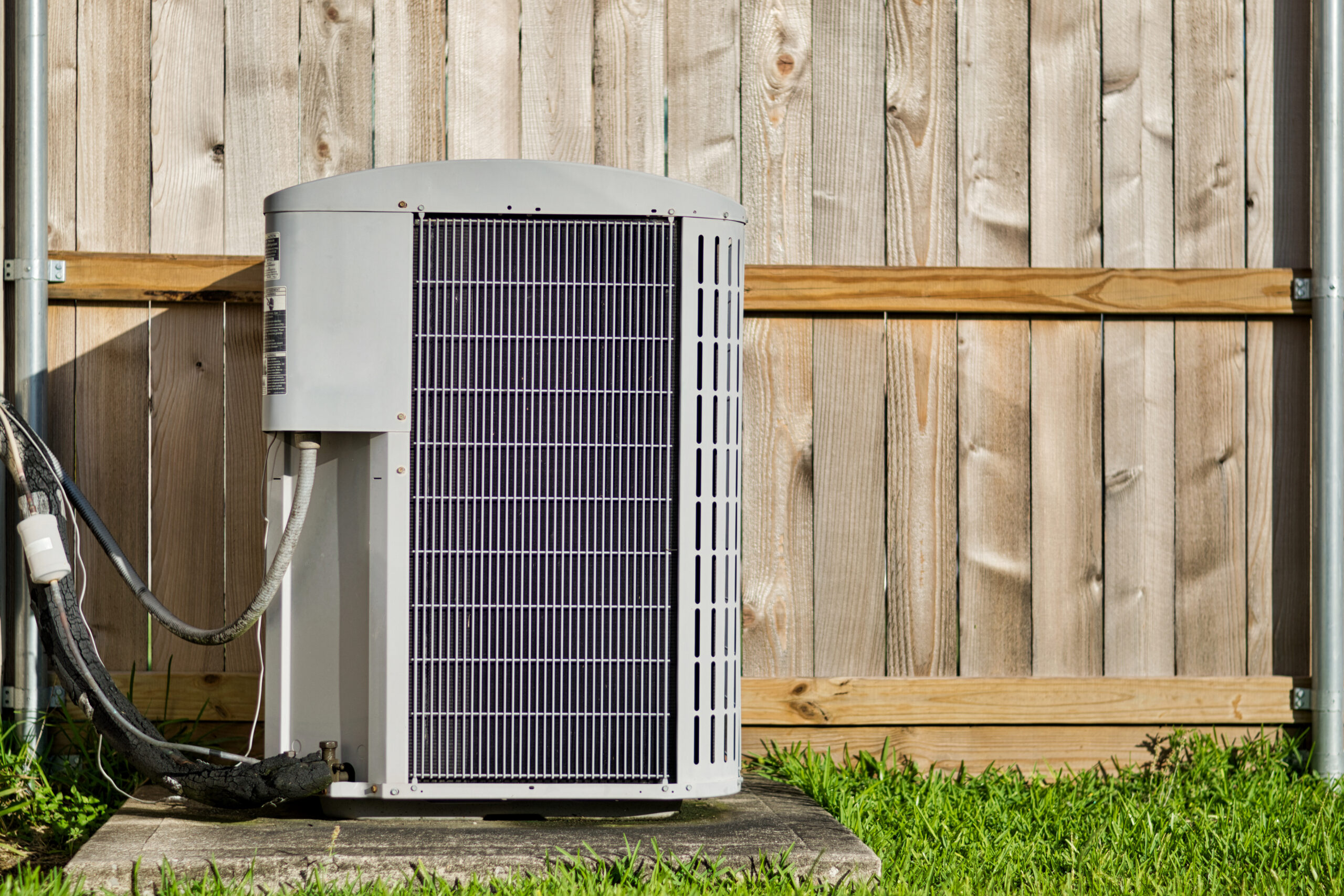
As the summer heat sets in, a properly functioning air conditioning unit becomes essential for maintaining a comfortable home. One crucial aspect of AC maintenance is ensuring adequate refrigerant levels.
Understanding What Refrigerant Is
Refrigerant is a substance used in air conditioning systems to absorb heat from the indoor environment and release it outside, thereby cooling the air. It undergoes a continuous cycle of evaporation and condensation, absorbing heat when it evaporates and releasing heat when it condenses. The most common type of refrigerant used in residential and commercial AC units is known as R-22 or R-410A, depending on the age of your system.
Signs of Low Refrigerant Levels
When the refrigerant levels in your AC unit are low, it can lead to a variety of problems, including reduced cooling capacity and increased energy consumption. Here are a few signs that may indicate low refrigerant levels in your system:
- Insufficient cooling: If you notice that your AC is not cooling your space as effectively as it used to, despite running for extended periods, it could be a sign of low refrigerant levels.
- Longer cooling cycles: Low refrigerant levels force your AC unit to work harder to achieve the desired temperature. As a result, the cooling cycles may become longer than usual.
- Ice formation: Insufficient refrigerant can cause ice to form on the evaporator coils of your AC unit. If you observe ice buildup on the unit or along the refrigerant lines, it is an indication of low refrigerant levels.
- Hissing sounds: A hissing or bubbling noise coming from the AC unit may suggest a refrigerant leak. If you notice such sounds, it is crucial to inspect and address the issue promptly.
Testing Refrigerant Levels
To check the refrigerant levels in your AC unit, follow these step-by-step instructions:
Step 1: Safety First
Before starting any maintenance work, ensure that the AC unit is switched off and unplugged to avoid any electrical hazards.
Step 2: Locate the Service Valve
Identify the service valves on your AC unit. There are two valves: The larger one is the suction line valve (low-pressure side), and the smaller one is the liquid line valve (high-pressure side). These valves may be located near the compressor or on the refrigerant lines.
Step 3: Attach Gauges
Attach the refrigerant gauges to the service valves. The blue hose should be connected to the suction line valve (low-pressure side), and the red hose should be connected to the liquid line valve (high-pressure side). Keep the yellow hose unconnected for this process.
Step 4: Read the Gauges
Once the gauges are properly attached, turn on the AC unit and let it run for a few minutes to stabilize. Observe the pressure readings on the gauges. The pressure readings will vary depending on the type of refrigerant used as well as the ambient temperature.
Step 5: Compare With Manufacturer Recommendations
Refer to the manufacturer’s specifications or consult with a professional to determine the ideal refrigerant pressure range for your AC unit. Compare the readings on the gauges with the recommended range. If the pressure is significantly below the recommended range, it may indicate low refrigerant levels.
Step 6: Seeking Professional Assistance
If you suspect low refrigerant levels or encounter abnormal pressure readings, you should contact a qualified HVAC technician. They have the expertise and tools to accurately diagnose refrigerant issues and perform any necessary repairs or recharging.
Trust Parker’s With Your AC Maintenance Needs!
Checking the refrigerant levels in your air conditioning unit is an important part of routine maintenance. By understanding the signs of low refrigerant levels and following the step-by-step instructions provided, you can ensure that your AC system is operating efficiently and effectively.
Remember, if you encounter any difficulties or suspect refrigerant problems, it’s always best to seek professional assistance to avoid any further damage to your AC unit. At Parker’s, our team offers the comprehensive air conditioning maintenance solutions you need to ensure your system is always equipped with the proper refrigerant levels.
Call Parker’s at [site_info_phone_number] or contact us online if you need AC maintenance or repairs.

Our Service Area
Expertly Serving Middle Tennessee homes & Businesses since 1992
Parker’s Heating & Cooling proudly serves homes and businesses throughout Middle Tennessee. Explore our service area to see the communities where you can count on us for dependable heating and cooling solutions.


your comfort is our priority!
Your comfort is what we do. Count on Parker’s Heating & Cooling for reliable service, practical solutions, and a local team that’s ready to help keep your home or business comfortable year-round.